The Hidden Cost of Britain's Equestrian Dream
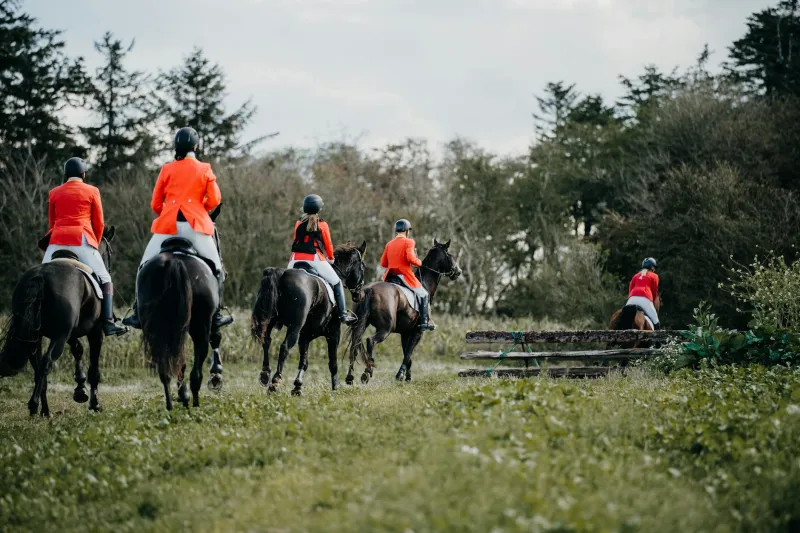
Across Britain's countryside, approximately 100,000 amateur horse owners pursue their equestrian passion, blissfully unaware they're potentially one veterinary emergency away from financial devastation. Unlike the exotic pet insurance crisis that has garnered recent attention, the unique world of horse ownership presents exponentially higher financial risks that standard pet policies cannot begin to address.
The stark reality facing Britain's weekend riders is sobering: emergency colic surgery can cost £15,000, a single fracture repair may exceed £20,000, and third-party liability claims have reached £500,000 when horses cause road traffic accidents. Yet industry research suggests that over 40% of horse owners rely on inadequate insurance coverage, with many discovering their policy's limitations only when disaster strikes.
When Standard Pet Insurance Falls Short
The fundamental problem lies in treating horses like oversized pets rather than recognising them as the high-value, high-risk animals they truly are. Standard pet insurance policies typically cap annual veterinary costs at £7,000-£12,000 – a figure that barely covers a routine surgical procedure for an equine patient.
Consider the case of Sarah Mitchell from Gloucestershire, whose 15-year-old mare required emergency surgery for a twisted gut. "The vet bills reached £18,000 within 48 hours," she recalls. "My pet insurance policy had a £8,000 annual limit. I had no idea that horses needed completely different coverage until I was facing bankruptcy."
Specialist equine insurance operates on entirely different principles, offering coverage limits ranging from £5,000 to £25,000 for veterinary treatment, with some policies extending to £50,000 for particularly valuable animals. However, these policies come with complex exclusions and waiting periods that many amateur owners fail to understand.
The Livery Yard Liability Maze
Beyond veterinary costs, the livery yard system creates a dangerous web of overlapping responsibilities that leave multiple parties exposed. When horses are kept at livery yards, the question of who bears liability for accidents, theft, or injury becomes murky.
Most livery yard agreements attempt to transfer all responsibility to horse owners, yet many amateur owners' insurance policies exclude coverage for horses kept at third-party premises. This creates a protection gap where neither the yard's public liability insurance nor the owner's equine policy provides adequate coverage.
"We see claims where a horse escapes from a livery yard and causes a road accident," explains insurance specialist James Crawford from Equestrian Risk Management. "The injured party pursues both the yard and the horse owner, but often discovers that neither party has sufficient coverage for a major claim."
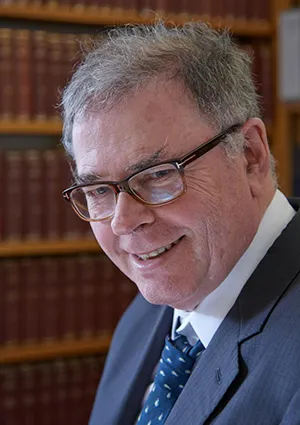 Photo: James Crawford, via opiniojuris.org
The Horse-Sharing Time Bomb
The growing trend of horse-sharing arrangements – where multiple people contribute to a horse's costs and share riding time – presents perhaps the most dangerous coverage gap in equestrian insurance. These informal arrangements, popular among cash-strapped enthusiasts, create liability nightmares when accidents occur.
Under typical horse-sharing agreements, legal ownership may rest with one person while others have regular access to ride. If a shared horse injures someone, determining which party's insurance should respond becomes a complex legal battle. Many policies specifically exclude coverage when horses are being ridden by non-owners, leaving all parties potentially liable for damages.
Third-Party Liability: The Million-Pound Risk
While veterinary costs grab headlines, the most catastrophic financial risk facing horse owners comes from third-party liability claims. When horses cause accidents – whether escaping onto roads, kicking other horses, or injuring members of the public – the resulting claims can devastate families financially.
Recent court cases have seen awards exceeding £1.5 million for serious injuries caused by horses, yet many amateur owners carry public liability coverage of just £1-2 million through their household insurance. Professional equestrian activities require minimum coverage of £6 million, highlighting the inadequacy of standard policies.
Navigating the Specialist Insurance Market
For Britain's horse owners, securing adequate protection requires understanding the specialist equine insurance market's unique features. Comprehensive equine insurance typically includes:
Mortality Cover: Protecting against the horse's death from accident, illness, or humane destruction, typically covering 100% of the agreed value for horses under 15 years old.
Veterinary Fees: Annual limits ranging from £5,000 to £25,000, with some insurers offering unlimited coverage for specific conditions.
Public Liability: Minimum £2 million coverage for third-party injury or property damage, with many policies extending to £6 million.
Personal Accident: Coverage for the owner's medical expenses and loss of earnings following horse-related injuries.
Theft and Straying: Protection against horse theft or recovery costs when animals go missing.
The Cost of Comprehensive Protection
Premiums for comprehensive equine insurance vary dramatically based on the horse's value, age, discipline, and intended use. Amateur owners can expect to pay £200-£800 annually for a horse valued at £3,000-£10,000, while competition horses or those used for professional activities command significantly higher premiums.
However, these costs pale in comparison to the financial devastation facing uninsured owners. The British Equestrian Trade Association estimates that inadequate insurance coverage costs horse owners collectively £15 million annually in unexpected veterinary bills and liability claims.
Making Informed Coverage Decisions
For prospective and existing horse owners, the message is clear: standard pet insurance and household policies provide wholly inadequate protection for equestrian activities. Before purchasing or sharing a horse, owners must secure specialist equine insurance that addresses the unique risks they face.
The romance of horse ownership should never overshadow the financial realities. In a world where veterinary advances can save horses' lives at extraordinary cost, and where liability claims continue to escalate, adequate insurance protection isn't a luxury – it's an absolute necessity for anyone serious about equestrian pursuits.
Britain's horse owners can no longer afford to gamble with inadequate coverage. The question isn't whether an emergency will occur, but whether you'll be financially prepared when it does.