The Hidden Scale of Britain's Exotic Pet Economy
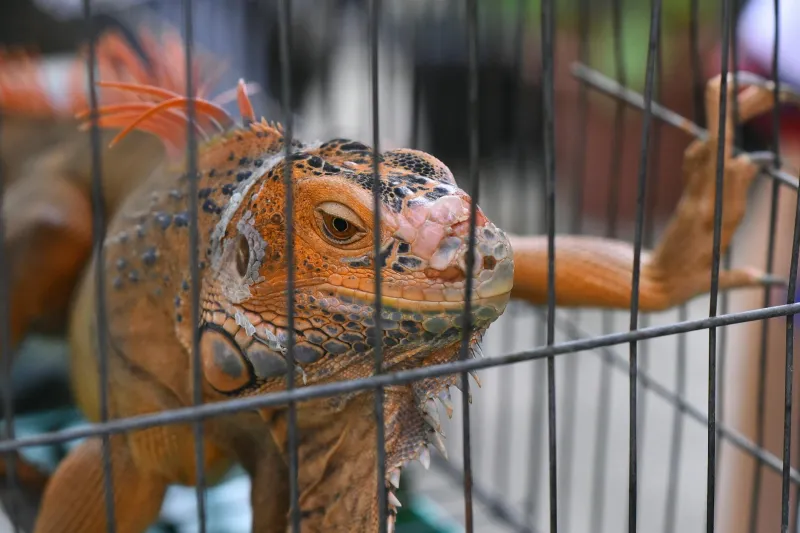
Beyond the traditional cats and dogs that dominate British households lies a thriving exotic pet economy worth over £2 billion annually. Bearded dragons bask under heat lamps in suburban bedrooms, African grey parrots command four-figure price tags, and rare tropical fish collections rival small aquariums in complexity and value.
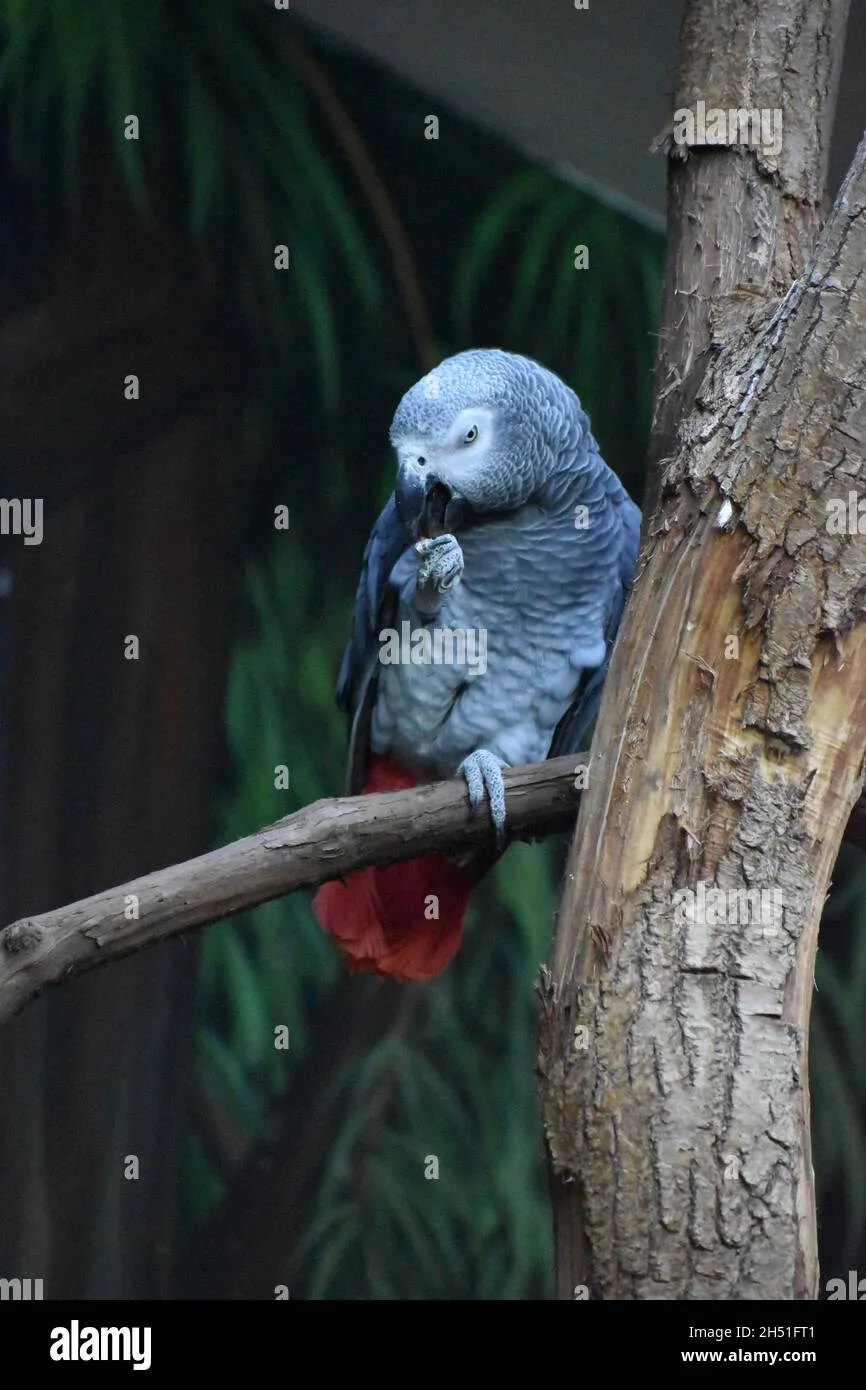 Photo: African grey parrot, via c8.alamy.com
Yet this booming market operates almost entirely without insurance protection, creating a massive financial vulnerability that most owners never consider until disaster strikes.
When Veterinary Bills Become Mortgage-Sized Debts
Exotic veterinary care operates in a different financial universe from traditional pet medicine. Specialist exotic vets charge premium rates for their niche expertise, and treatment costs can quickly spiral into five-figure territory.
Consider these real-world examples:
A bearded dragon's impaction surgery: £3,500 for emergency intestinal surgery, plus £800 for specialist post-operative care Parrot behavioural therapy: £150 per session over 12 weeks, totalling £1,800 for psychological treatment Tortoise shell repair: £2,200 for surgical repair following dog attack, requiring specialist equipment and extended recovery Snake respiratory infection: £1,400 for diagnosis, treatment, and temperature-controlled hospitalisation
These costs reflect the specialised nature of exotic veterinary medicine, where standard treatments require adapted techniques and equipment designed for species far removed from typical domestic animals.
The Liability Time Bomb Hiding in Your Terrarium
While veterinary costs represent the most obvious financial risk, exotic pet liability represents a potentially catastrophic exposure that most owners never consider.
Bite and injury claims can result in devastating payouts when exotic pets injure visitors or neighbours. A large python's bite, even from a typically docile specimen, can cause severe tissue damage requiring extensive medical treatment.
Escape scenarios create particular liability nightmares. When a venomous snake escapes into neighbouring properties, owners become liable for emergency response costs, property damage, and potential injury claims that can easily exceed £100,000.
Zoonotic disease transmission represents another significant liability area, where exotic pets can transmit rare diseases to humans, resulting in medical treatment costs and compensation claims.
Why Mainstream Insurers Refuse Exotic Pet Coverage
Traditional pet insurers avoid exotic animals for fundamental business reasons that highlight the unique risks these animals represent:
Unpredictable veterinary costs make actuarial calculations nearly impossible for rare species Limited veterinary networks mean fewer treatment options and higher specialist fees Species-specific risks vary enormously between different exotic animals Lack of historical claims data prevents accurate risk assessment Regulatory complexities around dangerous wild animal licensing create additional complications
The Niche Insurance Market: What Exists and What Doesn't
A small number of specialist insurers do provide exotic pet coverage, but their offerings reveal the true cost and complexity of protecting unusual animals:
Specialist exotic insurers like Exotic Direct offer comprehensive coverage starting around £15 monthly for reptiles, scaling up to £60+ for rare birds or mammals.
Livestock insurers sometimes extend coverage to exotic pets, but typically focus on high-value breeding animals rather than domestic companions.
Aquarium specialists provide coverage for expensive fish collections, with policies reflecting the high value and fragility of rare tropical species.
However, these specialist policies come with significant exclusions:
- Pre-existing conditions are never covered
- Breeding-related complications are often excluded
- Age limits apply to many species
- Geographical restrictions limit treatment locations
The Legal Labyrinth of Exotic Pet Ownership
Exotic pet ownership involves complex legal requirements that create additional insurance complications:
Dangerous Wild Animals Act licensing requires specific insurance minimums for certain species Local authority restrictions may mandate insurance coverage for exotic pet keeping Breeding regulations create additional compliance requirements Import/export documentation affects insurance validity for recently acquired animals
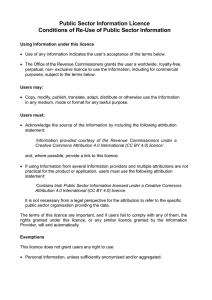 Photo: Dangerous Wild Animals Act, via s2.studylib.net
Real Horror Stories from the Uninsured
The financial devastation facing uninsured exotic pet owners becomes clear through real-world examples:
The £30,000 parrot: An African grey parrot requiring emergency surgery for metal poisoning, with treatment costs exceeding a new car's value
The escaped monitor lizard: A large monitor lizard's escape resulted in £8,000 emergency response costs, property damage, and ongoing liability claims
The poisoned python collection: Contaminated water killed six rare pythons worth £15,000, with no insurance recourse for the devastating loss
The allergic reaction claim: A rare tarantula bite triggered severe allergic reaction in a visitor, resulting in £25,000 medical costs and ongoing compensation claims
Finding Protection in an Uncharted Market
For exotic pet owners seeking insurance protection, the market requires careful navigation:
Specialist brokers with exotic animal expertise can identify appropriate coverage options Veterinary practice recommendations often include insurance provider suggestions Exotic animal societies frequently negotiate group insurance arrangements Online specialist platforms aggregate exotic pet insurance options
The True Cost of Comprehensive Coverage
Exotic pet insurance premiums reflect the genuine risks these animals represent:
- Basic reptile coverage: £180-300 annually
- Comprehensive bird insurance: £300-720 annually
- Rare mammal protection: £500-1,200 annually
- Aquarium collections: £200-800 annually depending on value
These premiums, while significant, pale compared to potential uninsured losses that could easily exceed £50,000 for serious incidents.
The Breeding Business Dimension
Exotic pet breeding represents a particular insurance challenge, with additional considerations:
Business insurance requirements for commercial breeding operations Product liability for animals sold to other owners Transit coverage for animals during transport Breeding failure protection for valuable breeding programmes
Emergency Preparedness Beyond Insurance
Exotic pet owners must consider emergency planning beyond insurance coverage:
24-hour veterinary access through specialist exotic practices Emergency fund establishment for immediate treatment costs Specialist transport arrangements for emergency situations Backup care arrangements for owner incapacity
The Future of Exotic Pet Insurance
As exotic pet ownership continues growing, insurance market evolution appears inevitable. Emerging trends include:
Technology-enabled monitoring reducing risk through environmental control Telemedicine consultations reducing routine veterinary costs Species-specific policies offering more targeted coverage Group insurance schemes through exotic pet societies
Making Informed Decisions in an Uncertain Market
For Britain's eight million exotic pet-owning households, the insurance landscape demands careful consideration:
- Assess true financial exposure including veterinary costs and liability risks
- Research specialist insurance providers with exotic animal expertise
- Understand policy exclusions particularly around pre-existing conditions
- Consider self-insurance alternatives through dedicated savings accounts
- Maintain detailed health records to support any future insurance applications
The exotic pet boom shows no signs of slowing, but without appropriate insurance protection, millions of households remain dangerously exposed to financial catastrophe. In a market where a single emergency can cost more than most families' annual income, insurance isn't a luxury—it's an essential protection that too few exotic pet owners currently possess.