Britain's increasingly erratic winter weather patterns are exposing a devastating insurance loophole that's costing homeowners hundreds of millions of pounds annually. Hidden deep within policy documents, 'unoccupancy clauses' and 'minimum heating requirements' are being weaponised by insurers to reject legitimate claims from families who were away from home for periods as brief as 48 hours during cold snaps.
Industry data reveals that weather-related claim rejections based on these technicalities have increased by 340% over the past five years, with total denied claims now exceeding £847 million annually. As climate change makes British winters more unpredictable, these policy exclusions are catching increasing numbers of homeowners off guard during their most vulnerable moments.
The 48-Hour Trap
Most UK homeowners believe their insurance provides continuous protection regardless of whether they're present in the property. This assumption proves catastrophically wrong when winter weather strikes. Standard home insurance policies contain unoccupancy clauses that dramatically reduce or eliminate coverage when properties are left empty for specific periods—often as short as 48 hours during winter months.
The Henderson family from Leeds discovered this harsh reality when they returned from a three-day Christmas visit to find their home flooded after burst pipes caused £34,000 in damage. Their insurer rejected the claim entirely, citing a clause requiring either continuous occupancy or specific heating maintenance during periods below 0°C.
"We'd paid premiums faithfully for twelve years," explains Mrs Henderson. "Nobody ever mentioned that leaving for a long weekend could void our entire policy. The small print was incomprehensible, and our broker never highlighted these restrictions."
The Temperature Threshold Minefield
Insurers define 'adequate heating' with precision that most homeowners never encounter until claims arise. Typical policy requirements include:
Minimum 12°C Throughout: Properties must maintain this temperature in all rooms, not just main living areas, whenever external temperatures drop below freezing.
Continuous Monitoring: Some policies require homeowners to check heating systems daily during cold periods, with documented evidence of these inspections.
Professional Servicing Requirements: Annual boiler servicing becomes mandatory, with some insurers demanding certificates dated within specific timeframes before winter coverage begins.
Water System Isolation: Extended absences may require complete water supply shutdown and system drainage—procedures most homeowners have never performed.
Failure to meet any of these requirements can void coverage entirely, not just for freeze-related damage but for all claims during the affected period.
The Smart Thermostat Deception
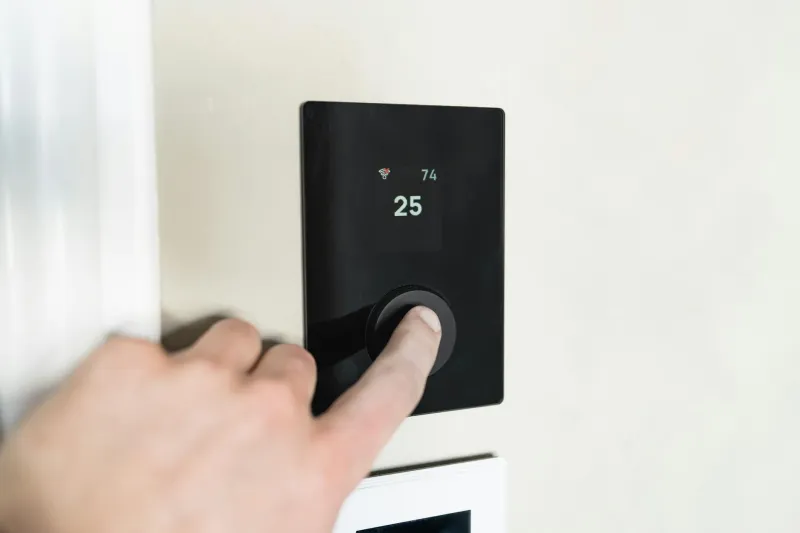
Thousands of homeowners believe smart thermostats provide automatic protection against insurance exclusions, but this technology creates new vulnerability points. When internet connections fail, power outages occur, or systems malfunction, smart heating controls can leave properties unheated without homeowners' knowledge.
Insurers increasingly demand proof of continuous heating operation, not just thermostat programming evidence. A smart thermostat showing 18°C settings becomes worthless if the boiler failed, pipes froze, or power cuts prevented heating operation.
Regional Risk Variations
The insurance impact varies dramatically across Britain, with Scottish and Northern English homeowners facing the harshest restrictions. Properties in areas experiencing regular sub-zero temperatures encounter:
Extended Unoccupancy Periods: Some policies reduce the trigger period to just 24 hours in areas prone to severe frost.
Higher Temperature Thresholds: Mountain and rural areas may require 15°C minimum temperatures rather than the standard 12°C.
Professional Monitoring Requirements: Remote properties might need daily professional checks during owner absences, at costs that can exceed £50 per day.
The Business Travel Catastrophe
Britain's mobile workforce faces particular vulnerability, with business travellers unknowingly voiding their insurance during routine work trips. A sales manager attending a week-long conference in January could return to find their entire home insurance invalid if temperatures dropped during their absence.
The rise of remote working has created additional complexity. Homeowners who previously maintained continuous occupancy now take extended breaks, often during winter months when insurance restrictions are most stringent. A family's first post-pandemic winter holiday could trigger coverage exclusions they never previously needed to consider.
Holiday Home Double Jeopardy
Second home owners face even more severe restrictions, with many policies requiring weekly property inspections during winter months. The cost and logistics of maintaining these requirements often exceed the insurance premiums themselves, forcing owners to choose between affordable coverage and practical property management.
Short-term rental properties encounter additional complications, as guest occupancy doesn't constitute the 'continuous occupancy' that many policies require. Airbnb hosts may discover their insurance is invalid during gaps between bookings, even when properties remain heated and maintained.
The Claims Investigation Intensification
Insurers are deploying increasingly sophisticated methods to identify unoccupancy violations:
Utility Usage Analysis: Gas and electricity consumption patterns can reveal property vacancy periods with remarkable precision.
Digital Footprint Tracking: Social media posts, mobile phone location data, and credit card transactions can establish homeowner absence periods.
Neighbour Interviews: Claims investigators routinely interview neighbours to establish property occupancy patterns during relevant periods.
Professional Surveillance: High-value claims may trigger formal surveillance to establish typical occupancy patterns and identify policy violations.
Protecting Against Winter Weather Exclusions
Homeowners can protect themselves through proactive policy management and winter preparation:
Policy Clause Review: Examine your policy documents specifically for unoccupancy clauses, heating requirements, and winter-specific exclusions. Most homeowners have never read these critical sections.
Heating System Upgrades: Install backup heating systems or smart monitoring that can alert you to heating failures remotely.
Professional Winter Preparation: Engage heating engineers for pre-winter system checks and obtain certification that satisfies insurer requirements.
Absence Notification Protocols: Some insurers offer extensions for notified absences, but these must be arranged before travel, not after problems arise.
The Specialist Insurance Solution
Families with mobile lifestyles or multiple properties should consider specialist insurance products designed for modern living patterns:
Unoccupancy Extensions: Policies that maintain full coverage during extended absences, typically for additional premiums of £200-500 annually.
Professional Monitoring Services: Third-party companies that provide daily property checks during owner absences, satisfying insurer requirements while maintaining coverage.
Flexible Occupancy Policies: Newer insurance products that adapt to changing occupancy patterns without requiring constant policy amendments.
The Industry Response
Some progressive insurers are beginning to modernise their approach to winter coverage, recognising that traditional occupancy requirements don't match contemporary lifestyles. However, the majority of the market continues applying Victorian-era occupancy concepts to 21st-century living patterns.
The Association of British Insurers acknowledges that policy language around unoccupancy requires updating, but comprehensive reform remains years away. In the meantime, homeowners must navigate existing restrictions or risk devastating financial consequences.
Preparing for Climate Reality
As British winters become more unpredictable, with sudden temperature drops and extreme weather events increasing in frequency, the insurance industry's winter exclusions will likely expand rather than contract. Homeowners who fail to understand and prepare for these restrictions face increasing risk of catastrophic financial exposure.
The solution requires active engagement with insurance terms that most people never read, combined with practical winter preparation that goes far beyond traditional home maintenance. In an era where a weekend away can void a lifetime of premium payments, understanding your policy's winter restrictions isn't just good practice—it's essential financial protection against Britain's changing climate reality.