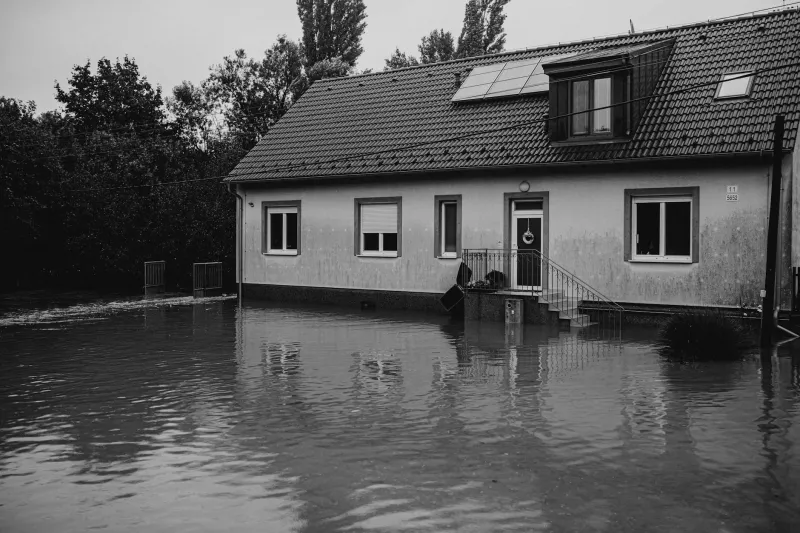
For millions of UK homeowners, the monthly direct debit for home insurance provides a comforting sense of security. However, this confidence may be misplaced. Standard home insurance policies, whilst offering broad protection, contain numerous exclusions that could expose property owners to significant financial risk.
At Compare Market Insurance, we regularly encounter cases where homeowners discover too late that their assumed coverage simply doesn't exist. Understanding these limitations before disaster strikes is crucial for making informed decisions about your property protection.
The Reality Behind Standard Policies
Most UK home insurance policies follow a similar structure, dividing coverage between buildings and contents insurance. However, the devil truly lies in the detail of what's excluded rather than what's included. These exclusions aren't necessarily attempts by insurers to avoid legitimate claims, but rather reflect the specific risks that standard policies aren't designed to cover.
The challenge for consumers lies in the complexity of policy documents. Terms and conditions often run to dozens of pages, with crucial exclusions buried in dense legal language that few homeowners thoroughly examine.
Ten Critical Exclusions You Need to Know
1. Subsidence Caused by Tree Roots
Whilst many policies cover subsidence, they frequently exclude damage caused by tree roots from your own garden. Given that mature trees are common features of UK properties, this exclusion can prove costly. Specialist subsidence cover or specific tree root endorsements may be necessary.
2. Accidental Damage by Tenants or Lodgers
If you rent out rooms or your entire property, standard policies typically exclude damage caused accidentally by tenants. This includes everything from cooking mishaps to DIY disasters. Buy-to-let or landlord insurance becomes essential in these circumstances.
3. Gradual Water Damage
Sudden pipe bursts are usually covered, but slow leaks that develop over time often aren't. This distinction can prove particularly problematic with concealed pipes or roof damage that develops gradually.
4. Home Business Equipment
Working from home has become increasingly common, yet standard contents insurance typically excludes business equipment or provides only minimal coverage. Professional equipment, stock, or tools may require separate business insurance.
5. High-Value Items Without Specific Declaration
Jewellery, art, or collectibles above certain thresholds (often £1,500-£2,500 per item) require specific declaration and additional premiums. Failing to declare these items properly can result in significant underinsurance.
6. Alternative Accommodation During Extended Repairs
Whilst most policies provide temporary accommodation cover, the duration and daily limits may prove insufficient for major repairs. Extended building work following subsidence or fire damage could exceed standard policy limits.
7. Outbuilding Contents
Garden sheds, garages, and other outbuildings often have restricted coverage for contents. Expensive tools, garden equipment, or stored household items may not be adequately protected.
8. Escape of Water from Swimming Pools or Hot Tubs
These increasingly popular home additions often require specific coverage. Standard policies may exclude damage from water escape or the structures themselves.
9. Damage During Home Renovations
Major building work can invalidate standard cover or create specific exclusions. Renovation insurance or temporary adjustments to existing policies may be necessary.
10. Cyber Crime and Identity Theft
As digital threats evolve, traditional home insurance rarely covers financial losses from cyber crime or the costs associated with identity theft recovery.
Strategies for Comprehensive Protection
Regular Policy Reviews
Annual policy reviews should extend beyond premium comparisons. Changes in your circumstances, property improvements, or new possessions may create coverage gaps that require addressing.
Understanding Add-On Options
Most insurers offer additional coverage options for common exclusions. These add-ons, whilst increasing premiums, can provide valuable protection against specific risks relevant to your circumstances.
Specialist Insurance Products
Some risks require specialist policies rather than add-ons to standard cover. High-value homes, listed buildings, or properties with unique features may benefit from specialist insurers who understand these specific risks.
Professional Risk Assessment
For complex properties or circumstances, professional risk assessment can identify potential gaps and recommend appropriate coverage solutions.
Making Informed Comparisons
When comparing home insurance policies, focus on coverage details rather than just premiums. A cheaper policy with significant exclusions may prove far more expensive if you need to claim.
Consider the total cost of comprehensive coverage, including necessary add-ons, when making comparisons. This approach provides a more accurate picture of true insurance costs.
The Path Forward
Home insurance gaps aren't inevitable. By understanding common exclusions and taking proactive steps to address them, UK homeowners can achieve genuinely comprehensive protection for their properties.
The key lies in thorough policy examination, honest assessment of your specific risks, and willingness to invest in appropriate additional coverage where necessary. This approach transforms home insurance from a basic requirement into a robust safety net that truly protects what matters most.
Regular comparison shopping, combined with detailed coverage analysis, ensures you maintain optimal protection whilst securing competitive premiums. In the complex world of home insurance, knowledge truly is the best defence against unexpected financial exposure.