Britain's garden room revolution is reshaping how we live and work, but it's also creating one of the most widespread insurance blind spots in modern home ownership. With over 2.3 million UK households now owning or planning garden offices, annexes, and multi-generational living spaces, the vast majority remain blissfully unaware that their standard home insurance policies treat these structures as entirely separate risks—often providing no coverage whatsoever.
The financial implications are staggering. A typical garden room installation costs between £15,000 and £45,000, yet most homeowners assume their existing policy automatically extends to cover these new structures. This fundamental misunderstanding is creating potential exposure worth billions of pounds across Britain's suburbs.
The Coverage Void Hidden in Plain Sight
Standard home insurance policies define covered structures with precision that excludes most modern garden buildings. Traditional policies cover the main dwelling and "domestic outbuildings" such as sheds and garages, but garden rooms, granny flats, and home offices fall into a grey area that insurers interpret narrowly.
"The problem is that garden rooms blur the line between outbuildings and separate dwellings," explains a senior claims manager at a leading UK insurer. "Once you add plumbing, electricity, and sleeping accommodation, we're looking at a structure that our standard policies simply don't contemplate."
This interpretation gap becomes critical when claims arise. A fire in an uninsured garden office can result in total loss claims of £30,000 or more, with homeowners discovering their coverage void only after the damage occurs.
When Additions Invalidate Entire Policies
The insurance implications extend far beyond the garden room itself. Many standard policies contain clauses requiring disclosure of structural additions or changes in property use. Failing to notify insurers about garden room installations can void the entire home policy, not just coverage for the new structure.
Consider the Williams family from Berkshire, who installed a £28,000 garden office in 2023 without updating their insurance. When a subsequent house fire caused £85,000 in damage to their main dwelling, their insurer rejected the entire claim, citing the undisclosed structural addition as grounds for policy cancellation.
The Public Liability Time Bomb
Garden rooms used for business purposes or rental accommodation create additional exposure through public liability claims. Standard home insurance policies exclude commercial activities, meaning a client injured in a garden office or a tenant hurt in a granny flat could trigger personal liability claims worth hundreds of thousands of pounds.
The rise of multi-generational living arrangements compounds this risk. When elderly relatives live in garden annexes, their visitors, care workers, and delivery personnel create ongoing public liability exposure that standard policies don't address.
Mortgage and Legal Complications
The insurance gaps create cascading problems beyond direct coverage issues. Mortgage lenders require continuous comprehensive insurance coverage, and undisclosed garden rooms can trigger:
Mortgage Covenant Breaches: Lenders may demand immediate policy updates or face acceleration of the entire mortgage balance.
Planning Permission Complications: Insurance disputes often reveal planning permission issues that create additional legal and financial complications.
Property Valuation Disputes: Uninsured structures may not count toward property valuations, affecting remortgaging and sale processes.
The Rental Income Trap
Thousands of homeowners are generating rental income from garden annexes without realising this transforms their insurance requirements entirely. Standard home policies exclude any form of commercial letting, meaning rental income from garden rooms can void both the structure coverage and the main dwelling protection.
Short-term letting through platforms like Airbnb creates even more complex exposure, combining commercial activity exclusions with public liability gaps and potential licensing requirement violations.
Regional Insurance Variations
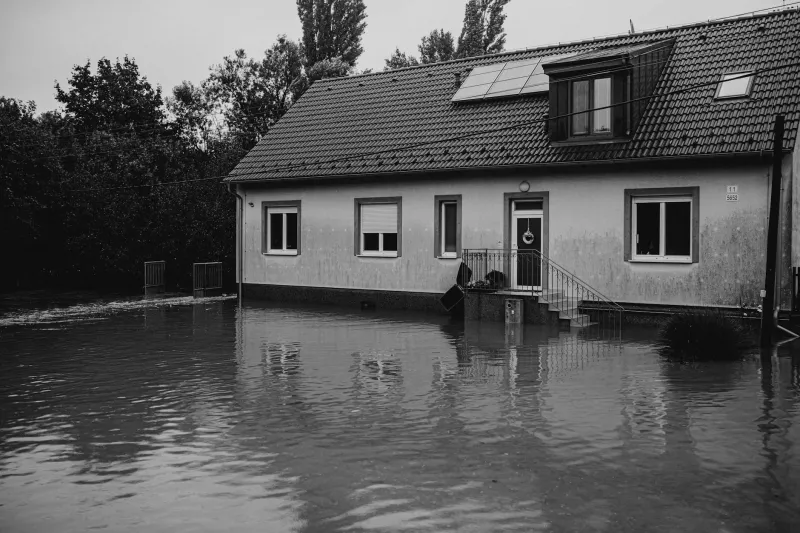
The coverage crisis affects different regions unequally, with rural areas facing particular challenges. Garden rooms in flood-prone areas often require separate flood insurance that standard policies don't provide, while properties in conservation areas face additional restrictions on insurance modifications.
Northern Ireland and Scotland have distinct legal frameworks for property insurance that create different coverage requirements for garden structures, adding complexity for families moving between regions.
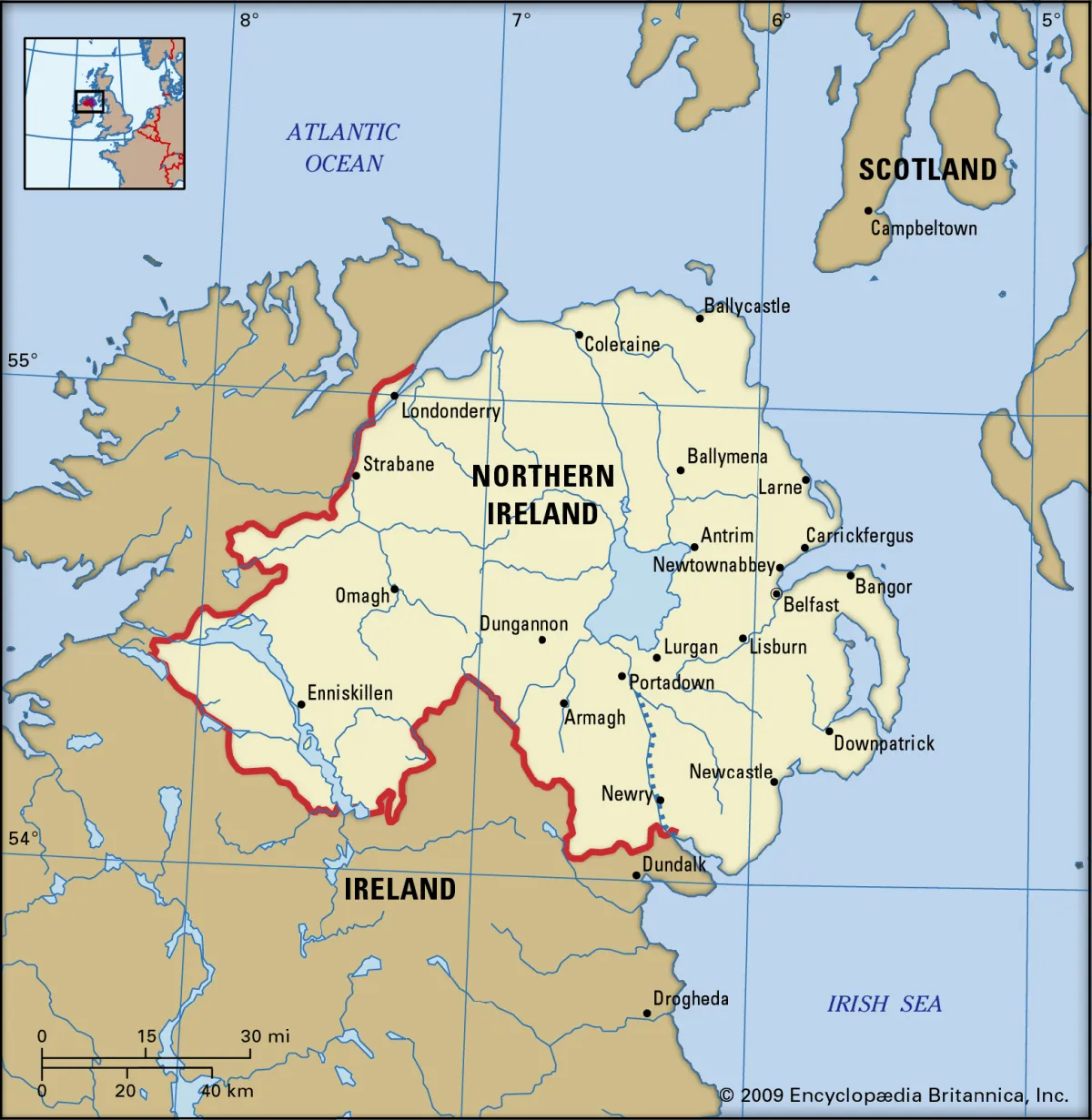 Photo: Northern Ireland, via cdn.britannica.com
The Professional Installation False Security
Many homeowners believe that using certified installers and obtaining building regulations approval automatically ensures insurance coverage. This assumption proves costly when claims arise. Professional installation addresses safety and legal compliance but doesn't extend existing insurance policies to cover new structures.
"We see this misconception constantly," notes a specialist garden room insurance broker. "Families spend £40,000 on a beautifully installed, fully compliant garden office, then assume their £200 annual home policy covers everything. The reality shock comes when they need to claim."
Closing the Coverage Gap
Protecting garden room investments requires proactive insurance management rather than reactive claims discoveries:
Pre-Installation Insurance Review: Before breaking ground, contact your insurer to understand coverage implications and requirements for the specific structure you're planning.
Specialist Garden Room Insurance: Many insurers now offer specific garden room coverage that can integrate with existing home policies or provide standalone protection.
Use Declaration Updates: Ensure your policy reflects any commercial use, rental activity, or change in occupancy patterns that garden rooms create.
Annual Policy Audits: Garden room usage often evolves over time, requiring regular insurance reviews to maintain appropriate coverage.
The Cost of Proper Protection
Comprehensive garden room insurance typically adds £150-400 annually to home insurance costs—a fraction of the structure's value and far less than the potential exposure from being uninsured. Specialist policies can provide:
- Full replacement cost coverage for the structure
- Contents protection for equipment and furnishings
- Public liability coverage for business or rental use
- Loss of rental income protection
- Alternative accommodation costs during repairs
Planning for the Future
As garden rooms become increasingly sophisticated, with smart home integration, renewable energy systems, and luxury amenities, the insurance industry is adapting with more nuanced coverage options. However, the responsibility remains with homeowners to ensure their insurance evolves alongside their property.
The garden room revolution represents one of the most significant changes in British domestic architecture in decades, offering flexibility and value that previous generations couldn't imagine. However, this revolution's benefits can only be fully realised when paired with appropriate insurance protection that matches the investment and risk profile these structures create.
For the millions of UK families embracing garden room living, the message is clear: your insurance needs have evolved as dramatically as your property. Ensuring your coverage keeps pace isn't just good financial planning—it's essential protection for what may be one of your largest home improvement investments.