The Hidden Insurance Crisis in Britain's Holiday Property Market
Across the Lake District, Cornwall's rugged coastline, and Scotland's Highland retreats, hundreds of thousands of British families own second properties that represent decades of careful savings and investment. Yet a shocking number of these owners are operating under a dangerous misconception: that their standard home insurance policy will protect their holiday cottage, coastal flat, or country retreat when disaster strikes.
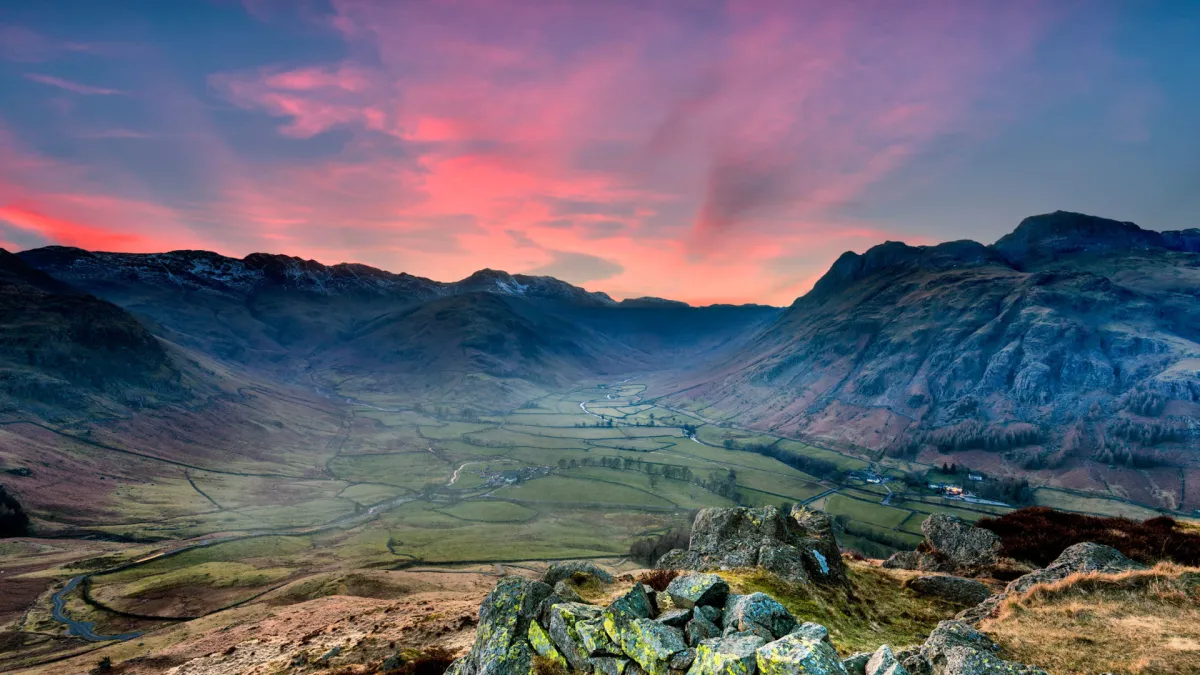 Photo: Lake District, via www.nationalparks.uk
The reality is far more sobering. Most standard home insurance policies contain explicit exclusions for properties that remain unoccupied for more than 30-60 consecutive days, leaving second homeowners catastrophically exposed during the very periods when their properties are most vulnerable to break-ins, weather damage, and maintenance issues.
Why Standard Policies Fail Second Homeowners
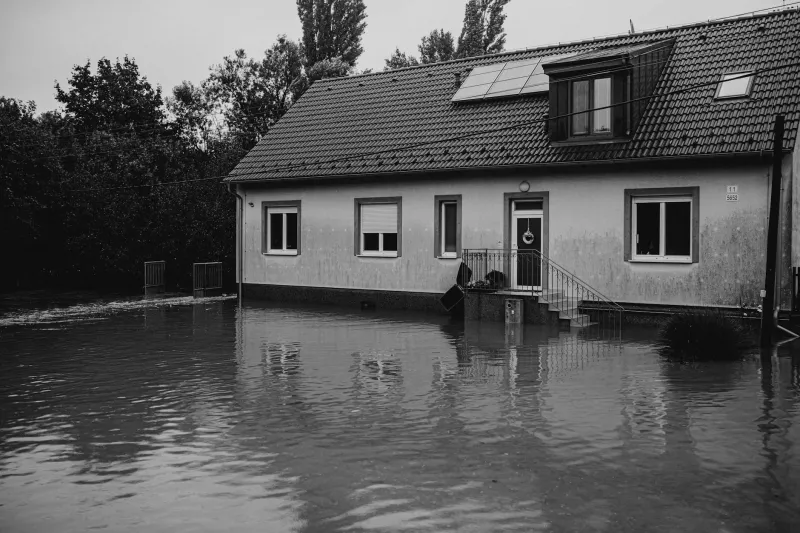
Insurance providers view unoccupied properties as fundamentally different risks. Without regular human presence, a burst pipe can flood an entire property before anyone notices. Thieves have unlimited time to strip valuable fixtures and fittings. Storm damage can worsen exponentially when there's nobody present to arrange emergency repairs.
Sarah Mitchell, who owns a Victorian cottage in the Cotswolds, discovered this harsh reality when a winter storm damaged her roof. "We assumed our home insurance would cover it," she explains. "The claim was rejected immediately because the property had been empty for three months. We faced a £15,000 repair bill with no insurance support whatsoever."
The problem extends beyond obvious scenarios like theft and weather damage. Even routine maintenance issues become catastrophic when properties sit empty. A small leak can develop into structural damage worth tens of thousands of pounds, all while the standard policy remains void due to the occupancy clause.
The True Cost of Specialist Second Home Coverage
Specialist second home insurance typically costs 50-150% more than standard home policies, reflecting the increased risk profile. However, the additional premium pales in comparison to the potential financial exposure of remaining uninsured.
A typical second home policy for a £300,000 coastal property might cost £800-1,200 annually, compared to £400-600 for a standard policy that would be worthless during unoccupied periods. The specialist coverage includes:
- Extended unoccupancy periods up to 365 days
- Gradual damage protection for issues that develop slowly
- Emergency accommodation if the property becomes uninhabitable
- Trace and access cover for hidden pipe leaks
- Garden and grounds coverage often excluded from standard policies
Regional Risk Variations Across Britain
Second home insurance costs vary dramatically across different regions, reflecting local risk factors that many owners fail to consider when purchasing their properties.
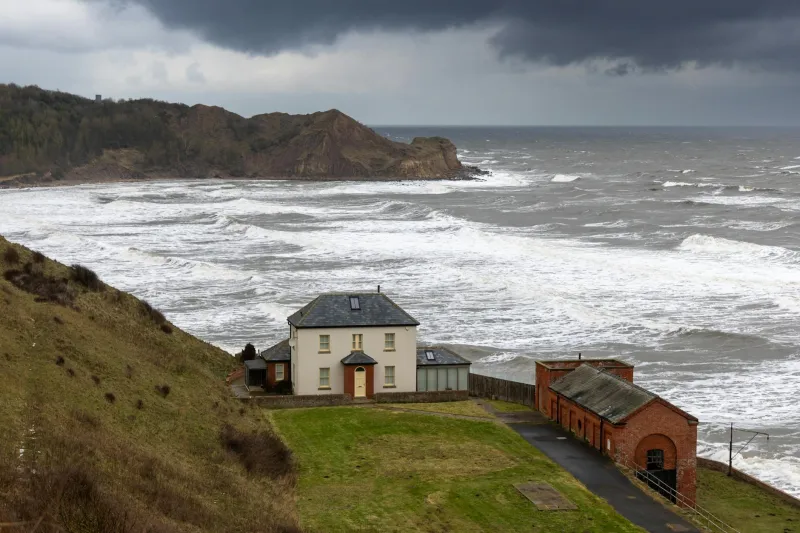
Coastal properties face elevated premiums due to storm surge risks, salt air corrosion, and the seasonal nature of local emergency services. A beachfront cottage in Norfolk might carry flood risk premiums 200% higher than an equivalent inland property.
Mountainous regions like the Scottish Highlands present different challenges: extreme weather events, limited emergency service access, and the risk of properties becoming completely inaccessible during winter months. These factors significantly impact both premium costs and policy terms.
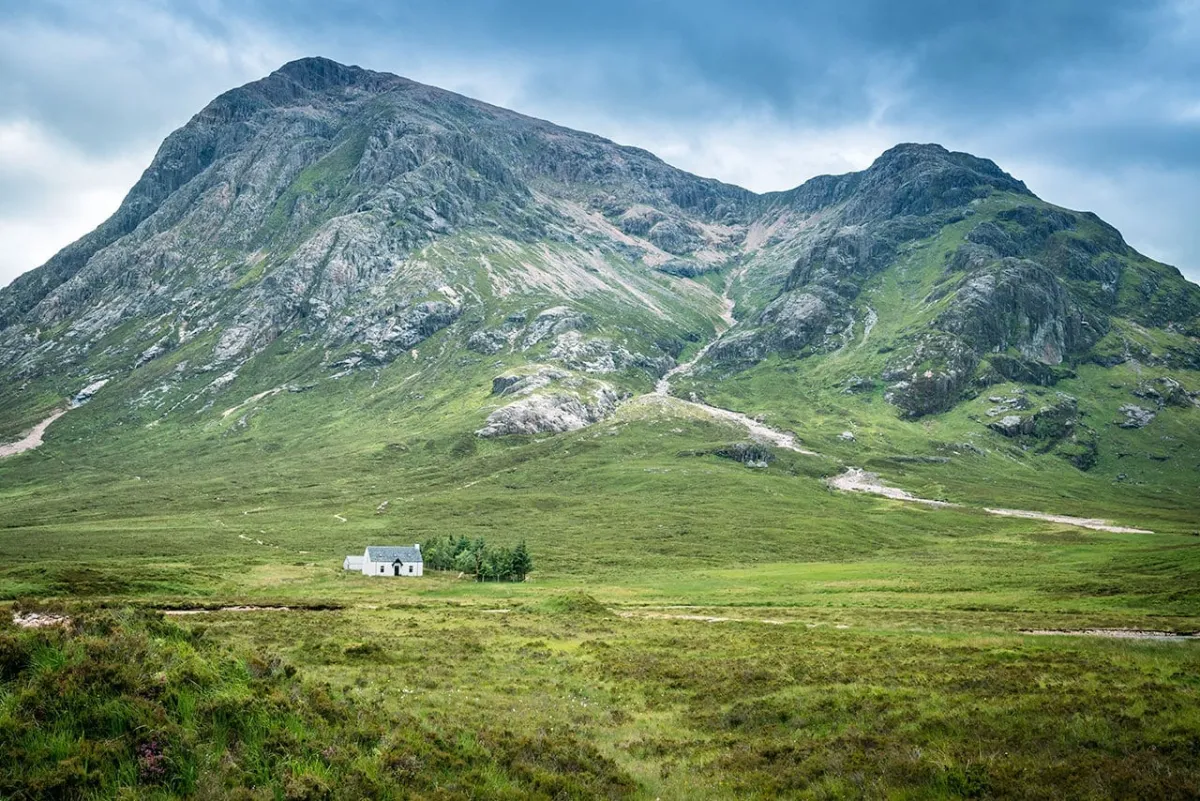 Photo: Scottish Highlands, via expertvagabond.com
Urban second homes, such as city centre flats used occasionally, face different risks entirely: higher crime rates, building security concerns, and the complexity of mixed-use developments where individual unit insurance interacts with building-wide coverage.
The Purchase Process: Where Protection Goes Wrong
Many second home insurance problems begin during the property purchase process. Buyers often assume their existing home insurance provider will simply extend coverage to their new property, or that their mortgage lender's requirements represent adequate protection.
Mortgage lenders typically require basic buildings insurance, but this minimum coverage rarely addresses the specific risks of second home ownership. The gap between lender requirements and adequate protection can leave owners exposed to hundreds of thousands of pounds in potential losses.
Estate agents and conveyancing solicitors rarely provide detailed insurance guidance, focusing instead on the legal aspects of property transfer. This leaves buyers to navigate complex insurance requirements independently, often making crucial decisions without understanding the full implications.
Comparing Specialist Providers: Key Considerations
When evaluating second home insurance options, several factors prove crucial for adequate protection:
Unoccupancy periods: Policies vary from 30 days to unlimited unoccupied periods. Owners who visit their properties infrequently need maximum flexibility.
Emergency response: Some policies include 24/7 emergency call-out services, particularly valuable for remote properties where local contractors may be unavailable.
Holiday letting provisions: If you rent your property occasionally, ensure the policy covers short-term letting activities without voiding coverage.
Contents valuation: Second homes often contain valuable items accumulated over years. Ensure contents limits reflect the true replacement cost of furnishings, artwork, and personal belongings.
Building Financial Resilience for Second Property Owners
Beyond insurance coverage, second home owners should consider broader financial protection strategies. Legal expenses insurance can prove valuable when dealing with property disputes or boundary issues common in rural areas.
Income protection becomes particularly important for owners whose second property represents a significant portion of their wealth. If illness or unemployment affects your ability to maintain mortgage payments on both properties, adequate income protection can prevent forced sales during unfavourable market conditions.
Building maintenance reserves specifically for your second property helps address the reality that rural and coastal properties often face higher maintenance costs and limited contractor availability.
Taking Action: Securing Proper Coverage
Second home owners should begin by honestly assessing their current coverage against their actual usage patterns. If your property sits empty for more than 30 days annually, standard home insurance likely provides inadequate protection.
Contact multiple specialist providers to compare coverage options and pricing. The cheapest option rarely provides the most appropriate coverage for second homes, where the cost of inadequate insurance can far exceed the savings from lower premiums.
Consider working with insurance brokers who specialise in second home coverage. Their expertise in navigating policy exclusions and ensuring adequate coverage limits can prove invaluable, particularly for high-value or unusual properties.
Regular policy reviews become essential as your usage patterns change. Retirement might mean spending more time at your second property, potentially allowing you to switch to standard home insurance with significant premium savings.
The dream of owning a second home shouldn't become a financial nightmare due to inadequate insurance protection. With proper specialist coverage and realistic premium budgeting, Britain's second homeowners can protect their investments while enjoying their retreats with genuine peace of mind.