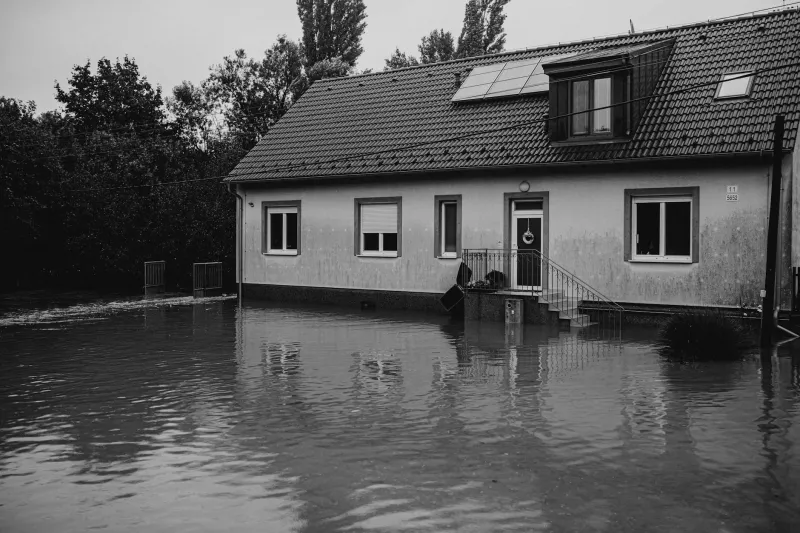
Britain's Silent Insurance Crisis: How Climate Change Is Rendering Millions of Homes Unprotectable
Across Britain, a silent crisis is unfolding in living rooms, estate agents' offices, and insurance call centres. Properties that have stood safe and dry for generations are suddenly being classified as high flood risk, triggering insurance premiums that can exceed £10,000 annually—or worse, outright policy refusals that render homes effectively worthless.
This isn't a distant threat. It's happening now, postcode by postcode, as climate change accelerates and insurers recalibrate their risk models with alarming frequency.
The New Reality of Flood Risk Assessment
Traditional flood risk mapping relied heavily on historical data, assuming past patterns would predict future events. Climate change has shattered this assumption. The Environment Agency now updates flood risk assessments quarterly rather than annually, reflecting the rapidly evolving threat landscape.
Key Changes in Risk Assessment:
- Increased frequency of extreme weather events
- Rising sea levels affecting coastal properties
- Changed rainfall patterns creating new inland flood zones
- Urban development altering natural drainage patterns
- Ageing flood defences becoming inadequate
Insurers are responding by dramatically tightening their underwriting criteria, often with little warning to existing policyholders.
Postcodes Under Siege
Recent insurance industry data reveals specific areas experiencing the most dramatic shifts in flood risk classification:
Newly High-Risk Areas (2023-2024)
Yorkshire and Humberside:
- YO8 (Selby area): 340% average premium increase
- DN14 (Goole surroundings): 280% average premium increase
- HU15 (Brough vicinity): 250% average premium increase
South West England:
- EX39 (Bideford area): 290% average premium increase
- PL21 (Ivybridge surroundings): 260% average premium increase
- TR11 (Falmouth vicinity): 220% average premium increase
Wales:
- SA15 (Llanelli area): 310% average premium increase
- NP18 (Newport surroundings): 270% average premium increase
- LL57 (Bangor vicinity): 240% average premium increase
These aren't gradual adjustments—they're insurance earthquakes destroying property values overnight.
The Flood Re Safety Net: A Temporary Solution
The government-backed Flood Re scheme, launched in 2016, was designed to ensure affordable flood insurance remained available for high-risk properties. The mechanism works by pooling flood risk across the entire insurance industry, preventing individual insurers from cherry-picking only low-risk properties.
How Flood Re Currently Operates
- Insurers can pass flood-risk policies to the scheme
- Homeowners pay capped premiums based on council tax bands
- The scheme covers properties built before 2009
- Annual premiums are capped at £210-£540 depending on property value
The 2039 Cliff Edge
Flood Re was always intended as a temporary measure, scheduled to end in 2039. The scheme's architects assumed that 25 years would provide sufficient time for:
- Comprehensive flood defence improvements
- Market-based solutions to emerge
- Property-level protection to become standard
- Risk-based pricing to encourage appropriate development
As 2039 approaches, none of these assumptions appear realistic.
The Uninsurable Home Phenomenon
Beyond premium increases, a growing number of properties are becoming entirely uninsurable. Major insurers are simply refusing to quote for certain postcodes, regardless of price.
Reasons for Outright Refusal:
- Properties flooded multiple times in recent years
- Locations where flood defences are deemed inadequate
- Areas with no realistic prospect of protection improvements
- Properties below certain elevations in coastal zones
- Homes in areas where emergency services access is compromised
The Mortgage Market Impact
Uninsurable properties create a cascade of problems:
- Mortgage lenders require buildings insurance as a condition of lending
- Without insurance, properties become unmortgageable
- Unmortgageable properties are effectively unsellable
- Property values collapse, creating negative equity
- Homeowners become trapped with worthless assets
Specialist Insurers: The Last Resort Market
As mainstream insurers retreat, specialist providers are stepping into the void—but at a price. These insurers typically:
Charge Premium Rates
- Annual premiums of £5,000-£15,000 are common
- Excess levels often exceed £10,000
- Coverage may exclude certain types of flood damage
- Policy terms are typically restrictive
Impose Strict Conditions
- Mandatory property-level flood defences
- Regular professional risk assessments
- Detailed maintenance requirements
- Limited coverage for contents
Require Extensive Documentation
- Detailed flood risk reports
- Professional property surveys
- Drainage system assessments
- Emergency evacuation plans
Regional Variations in Climate Impact
Scotland: The Rising Tide Challenge
Scotland faces unique challenges from sea-level rise and increased winter precipitation. The Scottish Environment Protection Agency has identified over 280,000 properties at risk of flooding, with coastal areas particularly vulnerable.
Most Affected Scottish Areas:
- Aberdeenshire coast
- Firth of Forth communities
- Glasgow's riverside districts
- Border regions prone to river flooding
Wales: Mountain Runoff and Coastal Squeeze
Wales experiences a double threat from increased mountain runoff and coastal flooding. The Welsh Government's flood risk assessment identifies 245,000 properties at risk.
Highest Risk Welsh Communities:
- Rhondda Valley
- Conwy coastal strip
- Cardigan Bay settlements
- Severn Estuary communities
England: The Perfect Storm
England faces the most complex flood risk profile, combining river flooding, surface water issues, and coastal threats across diverse geography.
Critical English Flood Zones:
- Thames Estuary
- Somerset Levels
- Hull and East Yorkshire
- Cumbrian valleys
- Norfolk Broads
Comparing Your Options: A Practical Guide
Homeowners in affected areas should take immediate action to understand and compare their options:
Step 1: Assess Your Current Risk
- Check the Environment Agency's flood risk maps
- Review your current insurance policy terms
- Understand your property's flood history
- Identify nearby flood defences and their condition
Step 2: Compare Insurance Providers
Mainstream Insurers:
- May still offer competitive rates for lower-risk properties
- Often provide comprehensive coverage
- Usually offer online quotes and management
- May have better customer service resources
Specialist Flood Insurers:
- Accept higher-risk properties
- Charge significantly higher premiums
- May offer more flexible terms
- Often provide risk reduction advice
Step 3: Consider Risk Reduction Measures
- Property-level flood defences (barriers, pumps, etc.)
- Improved drainage systems
- Flood-resistant materials and fittings
- Emergency planning and equipment
Step 4: Explore Alternative Solutions
- Self-insurance through savings
- Community flood defence schemes
- Local authority grant programmes
- Property modification or relocation
The Government's Response Strategy
Recognising the scale of the challenge, the UK Government has announced several initiatives:
Flood Defence Investment
- £5.2 billion committed for flood defences (2021-2027)
- 2,000 new flood defence schemes planned
- Focus on protecting 336,000 properties
Planning Reform
- Stricter controls on development in flood-risk areas
- Mandatory sustainable drainage systems (SuDS)
- Improved building regulations for flood resilience
Insurance Market Support
- Consultation on Flood Re's future beyond 2039
- Support for innovative insurance products
- Investment in flood risk data and modelling
What Homeowners Must Do Now
With the insurance landscape changing rapidly, proactive homeowners should:
Immediate Actions
- Review current insurance policies for flood coverage details and renewal dates
- Obtain multiple quotes from different types of insurers
- Document property improvements that might reduce flood risk
- Understand local flood defences and their maintenance schedules
Medium-term Planning
- Investigate property-level protection options and costs
- Consider home modifications to improve flood resilience
- Build emergency funds for potential higher insurance costs
- Monitor local development that might affect flood risk
Long-term Strategies
- Evaluate property location for long-term viability
- Consider relocation if risks become unmanageable
- Engage with local authorities on community flood defence projects
- Stay informed about government policy changes
The Path Forward
Britain's flood insurance crisis reflects the broader challenge of adapting to climate change. While government initiatives and industry innovation may eventually provide solutions, homeowners cannot afford to wait.
The key lies in understanding your specific risks, comparing all available options, and taking proactive steps to protect both your property and your financial security. In this rapidly changing landscape, informed homeowners who act early will be best positioned to weather the storm—both literally and figuratively.
The silent crisis is silent no more. The question now is whether Britain can adapt quickly enough to protect its most vulnerable communities before the tide turns irreversibly against them.