The Overlooked Financial Disaster
When relationships end, solicitors and financial advisers typically focus on the obvious assets: property division, pension splitting, and child maintenance arrangements. Yet lurking beneath these headline concerns lies a potentially catastrophic oversight that affects virtually every separating couple in Britain—the complete breakdown of shared insurance arrangements.
Recent statistics from the Office for National Statistics show that 107,599 couples divorced in England and Wales during 2021, with countless more experiencing relationship breakdown without formal legal proceedings. In the overwhelming majority of cases, insurance arrangements receive minimal attention until a crisis strikes, often months or years after separation.
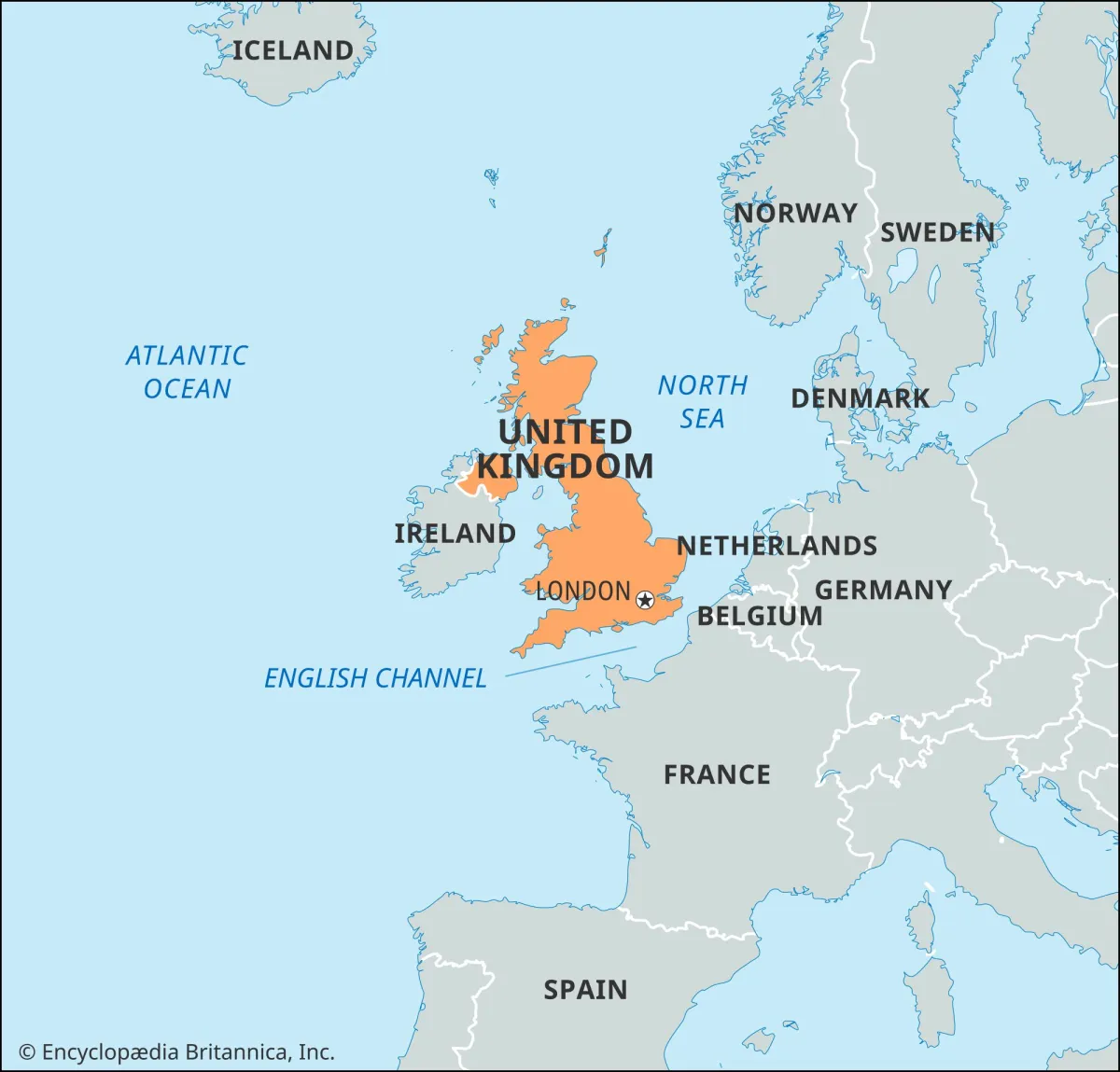 Photo: England and Wales, via cdn.britannica.com
 Photo: Office for National Statistics, via c8.alamy.com
Joint Life Insurance: The Ticking Time Bomb
Joint life insurance policies represent perhaps the most dangerous post-separation trap. These policies, designed to pay out on the first death of either partner, become legally complex instruments when relationships end. The surviving ex-partner typically remains the beneficiary unless formal policy amendments occur—a situation that can devastate second families and create bitter inheritance disputes.
Consider the case of a Nottingham couple who separated acrimoniously but failed to address their £200,000 joint life policy. When the husband died three years later, his ex-wife received the full payout despite their divorce being finalised and his subsequent remarriage. His second wife and children from that relationship received nothing, despite his clear intention to provide for them.
More troubling still, some joint life policies contain clauses that void coverage entirely if one partner moves out of the family home or changes marital status without notification. Thousands of separated individuals believe they maintain life insurance protection that simply no longer exists.
Home Insurance in Limbo
Property insurance becomes immediately complicated when couples separate, particularly if one partner remains in the family home while the other relocates. Standard home insurance policies assume continuous occupation by named policyholders, and many insurers void coverage when they discover changed circumstances.
The situation becomes particularly acute when properties remain jointly owned but only one person occupies them. Insurance companies often refuse to deal with the absent partner regarding claims, yet both remain legally liable for premiums and policy compliance. This creates scenarios where neither ex-partner can effectively manage home insurance, leaving valuable properties completely unprotected.
Further complications arise with contents insurance, as separating couples must determine which personal belongings remain covered under existing policies and which require new arrangements. Many discover their contents insurance has lapsed entirely when belongings are removed from the family home without insurer notification.
Motor Insurance Chaos
Named driver arrangements on motor policies create particular havoc during separation. When relationships end, ex-partners often remain listed as drivers on each other's policies, creating potential liability nightmares. If the named driver has an accident, the policyholder faces premium increases and potential legal responsibility despite having no control over the vehicle or driver.
Conversely, many separated individuals continue driving vehicles insured in their ex-partner's name, unknowingly invalidating coverage. Should accidents occur, both parties face potential prosecution for uninsured driving, regardless of who was actually behind the wheel.
The no-claims bonus complications add another layer of difficulty. Built up over years of shared motoring, these valuable discounts often become contested assets, with some insurers refusing to split or transfer them between separating partners.
Children Caught in the Coverage Gap
Perhaps most concerning is how separation affects insurance protection for children. Many family policies automatically cover dependent children under parental arrangements, but separation can create gaps where children lose coverage entirely or become covered under conflicting policies.
Travel insurance represents a particular risk area. Family policies typically cover children when travelling with either parent, but separation often voids these arrangements without clear replacement cover. Many parents discover their children are uninsured for school trips or holidays only when emergency medical treatment is required abroad.
Similarly, private medical insurance for children often becomes confused when parents separate, with some children losing coverage entirely while others find themselves covered under multiple conflicting policies.
Critical Illness and Income Protection Complexities
Critical illness policies and income protection insurance require immediate review during separation, as many contain provisions that become invalid when circumstances change. Policies designed to protect family units often contain clauses that void coverage when family structures alter significantly.
Income protection insurance becomes particularly problematic when maintenance obligations exist. Some policies reduce or cease payments when divorce settlements provide alternative income streams, potentially leaving ex-partners without the protection they believed remained in place.
Legal Liability Risks
Beyond direct insurance concerns, separation creates potential legal liabilities that many couples overlook. Joint policies often contain clauses making both partners liable for premiums regardless of relationship status, meaning ex-partners can find themselves pursued for insurance debts years after separation.
More seriously, some insurance arrangements create ongoing legal connections between ex-partners that can complicate future relationships and financial arrangements. Professional liability insurance, in particular, can create situations where one ex-partner remains financially exposed to the other's professional mistakes indefinitely.
Rebuilding Personal Protection
Creating comprehensive insurance coverage as a newly single adult requires systematic review of all existing arrangements and careful consideration of changed circumstances. Single person insurance needs differ significantly from couple coverage, often requiring higher individual limits but eliminating joint liability concerns.
Life insurance becomes particularly crucial for single parents, as the financial impact of death on children increases when only one parent provides support. New policies should reflect changed beneficiary arrangements and consider trust structures that protect children's interests without creating complications for future relationships.
Home insurance for single occupiers often costs more than shared policies but provides clearer coverage boundaries. Single homeowners should ensure policies reflect their sole occupancy and consider additional security requirements that insurers may impose.
Professional Guidance for Complex Transitions
Given the complexity of insurance arrangements during separation, professional advice becomes essential rather than optional. Insurance brokers experienced in divorce situations can identify coverage gaps and recommend appropriate replacement policies before dangerous exposure periods occur.
Solicitors handling divorce proceedings should routinely address insurance arrangements as part of financial settlements, ensuring both parties understand their ongoing obligations and protection status. Too often, insurance considerations are left as afterthoughts, creating expensive problems months or years later.
The financial and emotional cost of relationship breakdown is devastating enough without adding insurance catastrophes to the burden. Separating couples who address these issues proactively protect themselves and their children from additional trauma during already difficult transitions.